Too tired to do anything? Try a small break from scrolling
When you feel drained after work, scrolling can become the easiest way to spend the evening. Try small offline activities that leave room for rest and connection.
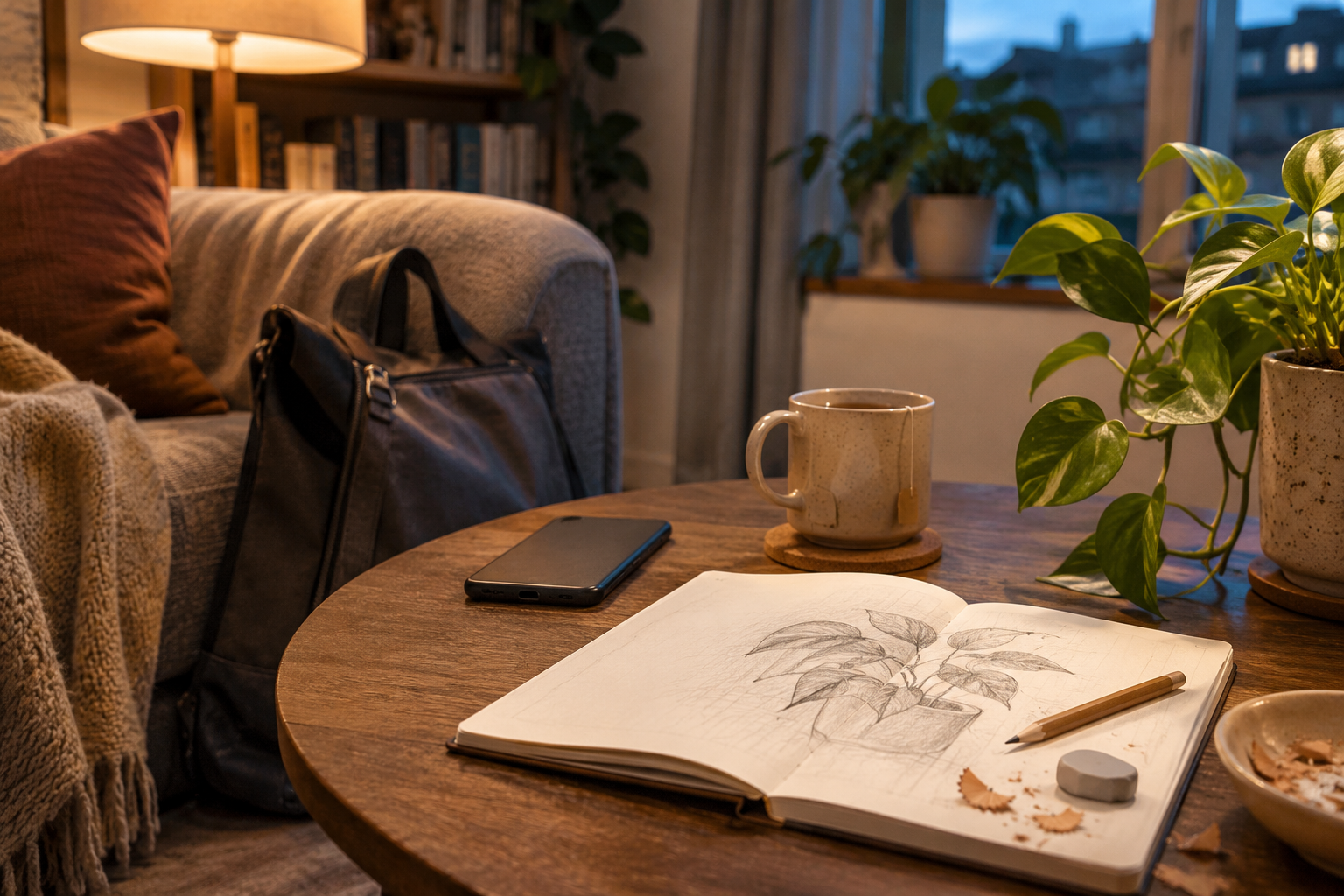
You finish work, sit down, and reach for your phone. You are too tired to make plans or decide what to do. Scrolling asks almost nothing of you, so you keep going.
An hour later, you have watched plenty of videos but still feel drained. The evening has moved on without giving you the break you needed.
That gap between switching off and feeling restored is worth noticing. Sometimes, getting some energy back starts with a small activity away from the screen.
Why scrolling feels easier than making plans
After a demanding day, even enjoyable activities can sound like work. Meeting a friend means arranging a time. Cooking means choosing a meal. Starting a hobby means finding the materials you put away weeks ago.
Your phone removes those decisions. There is always something else to watch, and you can keep going without choosing how to spend the evening.
That can offer welcome relief. There is nothing wrong with enjoying videos or catching up online. The useful question is how you feel afterward: rested, connected, entertained, or simply further into the evening?
What are you trying to get a break from?
Sometimes the exhaustion follows a busy day. Other times, it comes from spending hours doing things that leave little room for your own needs.
Perhaps you agreed to another task when you were already stretched. Perhaps you spent the afternoon managing someone else's mood. Perhaps every available moment belonged to work, errands, or other people's plans.
Scrolling can push those feelings into the background for a while. It cannot resolve an unreasonable workload or a conversation you keep putting off. If the same exhaustion returns every evening, it may help to look at what keeps draining you.
Ask yourself what you needed today and did not get. The answer might be quiet, company, movement, food, or a chance to make one choice for yourself.
How doing something offline can help
Doing something takes effort, which makes it sound like the wrong answer when you feel depleted. But different activities ask different things of you.
A short walk lets you move without answering messages. Drawing gives your attention somewhere to settle. Sharing dinner with someone you like creates space for a conversation that has nothing to do with work.
There is evidence behind some of these options. The NHS identifies physical activity as a way to support mood, sleep, and mental wellbeing. It also encourages people to start small and choose a comfortable pace. Read the NHS guidance on activity and mental health.
Reducing screen time alone does not guarantee that you will feel better. Research on social media breaks reports mixed results, including a trial that found no improvement in attention or wellbeing. What you do with that time deserves attention too. Read the randomized trial.
Think of an offline activity as a small experiment. You are giving yourself a chance to discover what helps you feel more present or less depleted.
Offline activities for evenings when your energy is low
Choose something that fits the energy you have now. You do not need a full evening plan, special equipment, or an impressive result.
When you want quiet
Make a warm drink and have it away from your phone. Sit by a window, listen to an album, or read a few pages of a familiar book. Choose something you can enjoy without needing to finish it.
If your thoughts keep circling, write a few lines on paper. Try “What took the most out of me today?” and “What would make tomorrow a little easier?” You can stop once you have something useful.
When you have been sitting all day
Take a short walk, stretch gently, or move to one song. Adapt the movement to your body and available space. A few comfortable minutes are enough for an experiment.
You can give a walk a simple purpose, such as noticing the trees on your street. Leave work messages for later so the break has room to be a break.
When you feel lonely
Invite someone for a short walk, a cup of tea, or an easy meal. Make the invitation specific and manageable: “Would you like to walk around the block with me?”
Company does not have to mean a big social event. If conversation feels demanding, try a shared activity such as a puzzle or preparing food together.
When you want to use your hands
Draw something on your table, water a plant, mend a loose button, or prepare a simple snack. Pick an activity you can begin with what you already have.
Give yourself permission to make something ordinary. The drawing can stay unfinished, and dinner can be toast and eggs.
When you want a change of scene
Visit a nearby library, sit in a park, or take a different route to the local shop. Choose somewhere easy to reach without turning the outing into a project.
An offline break can also happen at home. A different chair, an open window, or a meal away from your desk may be a manageable starting point.
Make the first step smaller
“Spend less time on my phone” leaves you with another decision to make. A specific alternative gives you somewhere to begin.
Before sitting down, choose one activity and make it easy to start. Put a book beside your chair or leave your walking shoes by the door. Place your phone somewhere you will not reach for it automatically.
Try the activity for five or ten minutes. Then notice whether you feel calmer, more connected, or still tired. You can continue, choose something else, or rest.
There is no streak to protect. An evening that helps you recover does not need to look productive.
Leave room for rest and bigger changes
Sometimes you need sleep, a proper meal, or time with no demands. An activity should fit around those needs. You do not have to earn rest by doing something first.
Small offline breaks also have limits. A walk cannot fix an unsustainable workload, and a hobby cannot make a harmful environment healthy. Ongoing exhaustion may call for support, clearer boundaries, or changes to what your days demand.
For tonight, keep the choice manageable. Before opening the next app, try one small thing you actually want to do. You may find that some energy returns once you begin.
Frequently asked questions
Why do I keep scrolling when I am tired?
Scrolling is easy to start and offers a steady supply of content. When choosing another activity feels demanding, it can become your default. Notice whether it gives you the kind of break you wanted.
Is scrolling always bad for relaxation?
No. You might enjoy a video, learn something useful, or connect with someone online. Consider whether the experience leaves you satisfied and whether you can stop when you want to.
What can I do instead of scrolling when I have almost no energy?
Start with something that needs little preparation. Make a drink, listen to music, sit outside, or read a page. If you need sleep or complete rest, allow yourself that too.
Can offline activities really help me feel less drained?
Some can. Movement may support mood and sleep, while a quiet or shared activity may meet a need your evening has missed. The effect varies, so try something manageable and notice how you feel.
Do I need to delete social media?
You can begin with a smaller change. Choose one short period without scrolling and decide what you want to do during it. Adjust based on whether the change helps you.
What if I feel exhausted most days?
Look beyond your evening phone habits. Persistent exhaustion deserves attention, especially when it affects daily life. Consider speaking with a healthcare professional instead of relying on activity changes alone.
